23 July 2026 at 09:00PM
Building a PMO: It's More About People Than Process
Professional Development
Voluteers
What does it take to build a successful Project Management Office (PMO)?
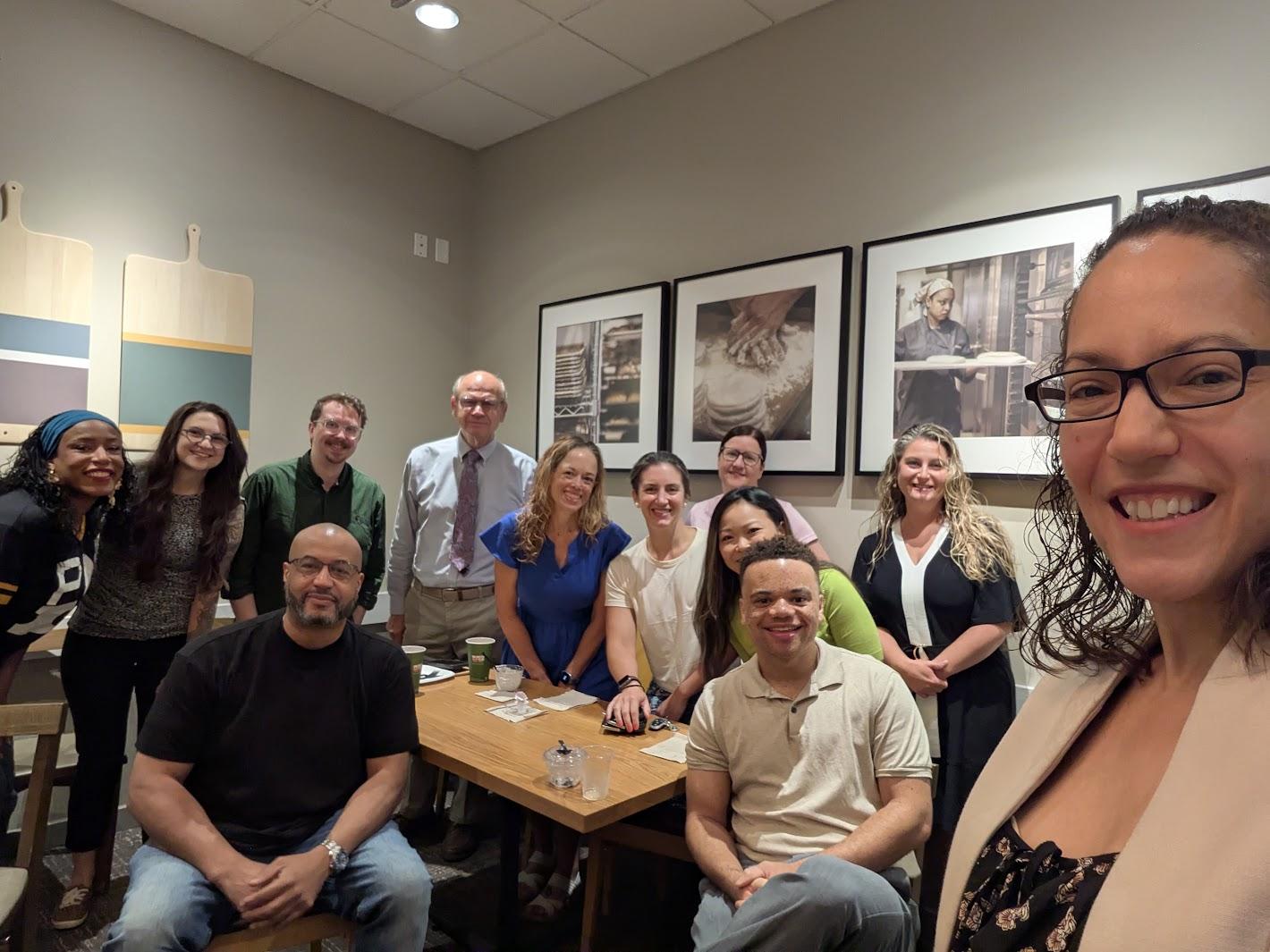
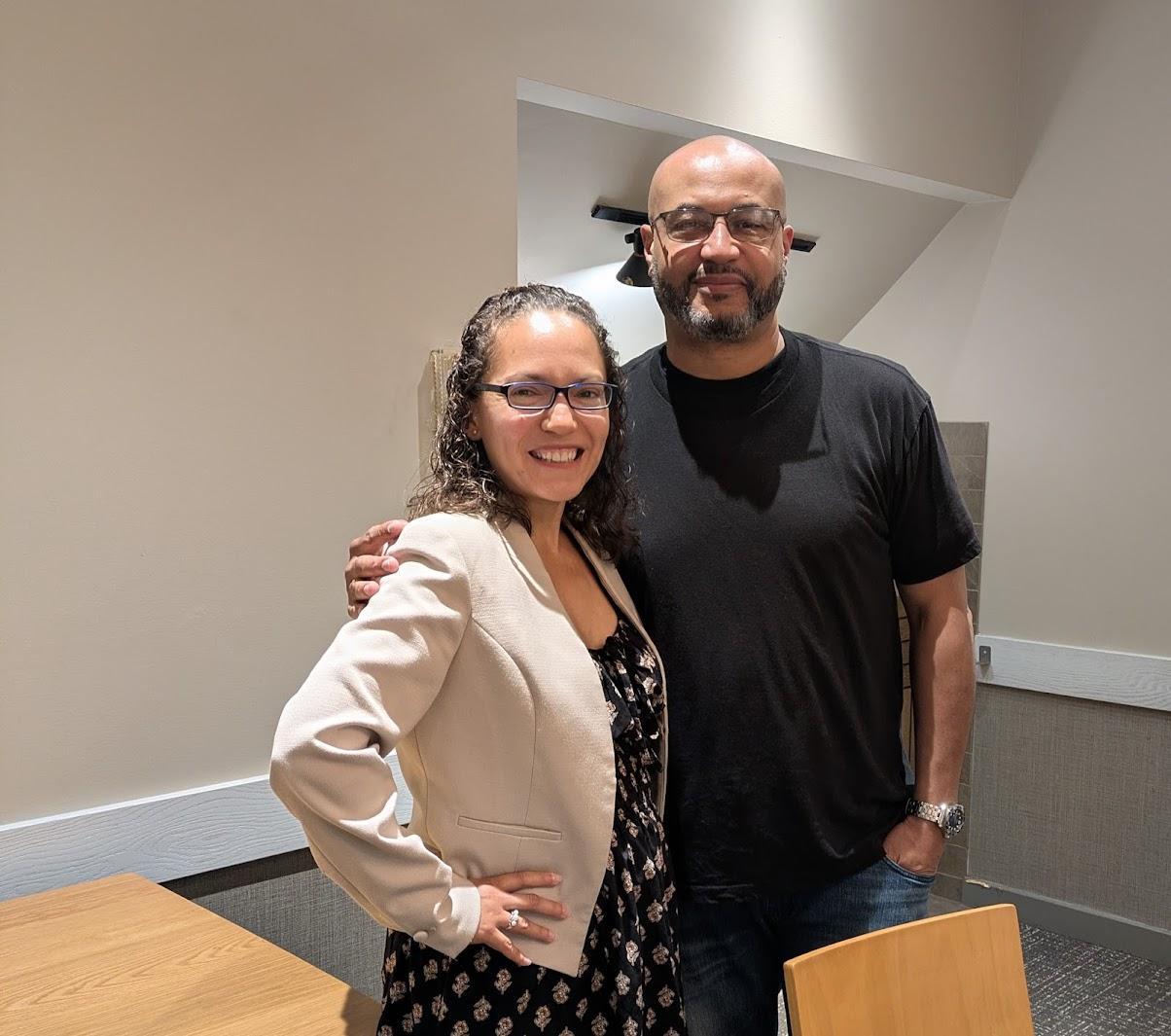
That was the question explored during our recent PMI Pittsburgh Breakfast Club at the Waterworks, where 12 project management professionals gathered for an engaging discussion led by Kenneth Rose, Esquire, PMP.
One of the biggest takeaways from the conversation was simple, yet powerful:
A successful PMO is built on people first and processes second.
While governance, methodologies, and templates are important, they are only effective when people understand, support, and embrace them.
Where Would You Start?
Kenneth posed a thought-provoking question to the group:
"If you were asked to build a PMO today, where would you begin?"
The discussion quickly revealed that there isn't a single right answer, but several foundational elements consistently emerged.
Participants emphasized the importance of:
- Securing stakeholder buy-in from the beginning
- Understanding organizational pain points
- Clearly defining the value the PMO will deliver to executives
- Observing and understanding current project management practices before proposing change
Rather than immediately introducing new governance or processes, the conversation centered on first understanding the organization's needs and creating a shared vision for improvement.
Bringing Stakeholders Along the Journey
A PMO cannot succeed in isolation.
Throughout the discussion, attendees reinforced that stakeholder engagement should be continuous—not something that happens only during kickoff or implementation.
Inviting stakeholders to participate in defining the future state helps build ownership, reduces resistance, and increases the likelihood of long-term adoption.
When people help create the solution, they're much more likely to support it.
Small Carrots, No Sticks
One phrase from Kenneth's presentation resonated with many of us:
"Small carrots, no sticks."
Instead of relying on mandates or enforcement, successful PMO leaders create momentum through encouragement, recognition, and collaboration.
Some practical ideas shared by participants included:
- Celebrating early wins
- Highlighting project success stories
- Recognizing teams that embrace new practices
- Identifying peer-level champions who can influence others organically
These "small carrots" help build trust and demonstrate value before expanding PMO capabilities.
Final Thoughts
Building a PMO is rarely about introducing a new set of templates or enforcing a methodology.
It's about listening before leading, understanding before implementing, and building trust before driving change.
Processes provide structure, but people create success.
The discussion at this month's Breakfast Club served as a valuable reminder that the strongest PMOs are built collaboratively—with stakeholders, executive sponsors, project teams, and champions all contributing to a shared vision for the future.
Thank you to Kenneth Rose, Esquire, PMP, for facilitating such an insightful conversation, and to everyone who participated and shared their experiences. The exchange of ideas is what makes our PMI Pittsburgh community so valuable.
What advice would you give someone tasked with building a PMO from the ground up?